Have you ever seen an ad for a new cryptocurrency platform promising easy profits and wondered if it’s legit? You are not alone. The world of Birich is a cryptocurrency derivatives trading platform that claims to serve users in over 100 countries. sounds exciting on paper. But here is the hard truth: when you dig deeper into Birich, you find almost nothing concrete. No clear founders, no public security audits, and very few real user reviews. In an industry where trust is everything, silence is often a red flag.
If you are thinking about depositing money into this exchange, you need to pause. This review isn’t just about listing features; it’s about protecting your capital. We will look at what Birich actually offers, compare it to established giants like Bybit or Binance, and help you decide if it’s worth the risk. Spoiler alert: the lack of transparency should make you very cautious.
The Mystery Behind Birich Exchange
Let’s start with the basics. Who runs this place? When you visit major exchanges like Coinbase or Kraken, you can easily find information about their CEOs, their headquarters, and their regulatory licenses. With Birich, the ownership structure and founding history remain largely opaque to the public. There is no clear record of who founded the company, when it was established, or where its legal entity is registered.
This anonymity is common among many small or potentially fraudulent platforms. Legitimate businesses want you to know who they are because it builds trust. If a platform refuses to share basic corporate details, ask yourself why. Are they hiding from regulators? Are they operating without a license? These are questions you must answer before sending them a single dollar.
Furthermore, Birich positions itself as a global player, claiming access in more than 100 jurisdictions. However, serving many countries doesn’t mean complying with laws in all of them. Many shady platforms use offshore registrations to avoid scrutiny while marketing aggressively to users in regulated regions like the US, Europe, or Canada. This disconnect between marketing claims and legal reality is a classic warning sign.
What Does Birich Actually Offer?
According to limited data available on sites like CoinMarketCap, Birich focuses on cryptocurrency derivatives, financial instruments whose value is derived from underlying assets like Bitcoin or Ethereum. This means you aren’t buying actual coins; you are betting on price movements using contracts. Derivatives trading involves high leverage, which can amplify both gains and losses. For beginners, this is extremely dangerous.
Here is what we know (and don’t know) about their technical setup:
- Trading Pairs: Specific pairs are not clearly listed in public documentation. Major exchanges publish full lists of supported assets.
- Fees: There is no transparent fee schedule. Maker/taker fees, withdrawal costs, and funding rates are hidden.
- Leverage: While implied by the derivatives focus, exact leverage limits are unknown. High leverage often leads to liquidation.
- Technology: No details on server infrastructure, uptime guarantees, or API capabilities for automated trading.
Compare this to a platform like Bybit. Bybit publishes its fee tiers, shows real-time order book depth, and provides detailed API documentation. Birich offers none of this clarity. Trading without knowing your costs is like driving blindfolded-you might get lucky, but eventually, you will crash.

Security: The Biggest Concern
In crypto, security isn’t a feature; it’s the foundation. A secure exchange uses cold storage (keeping funds offline), multi-signature wallets, and regular third-party security audits. They also provide proof of reserves to show they actually hold your money.
Does Birich have any of these? The answer appears to be no. There are no published audit reports from firms like CertiK or Hacken. There is no mention of insurance funds to protect users in case of a hack. And critically, there is no proof of reserves. Without these safeguards, your funds are vulnerable. If the platform gets hacked-or if the operators decide to run away with the money-you have zero recourse.
Consider the collapse of FTX. Before it failed, it was one of the biggest names in the industry. Yet, it lacked proper segregation of client funds and had weak internal controls. Smaller platforms like Birich often have even weaker safeguards. Never assume a platform is safe just because it looks professional. Look for evidence, not promises.
| Feature | Birich | Bybit / Binance |
|---|---|---|
| Public Ownership Info | Hidden / Unknown | Clear & Transparent |
| Security Audits | None Found | Regular Third-Party Audits |
| Fee Structure | Not Disclosed | Published & Tiered |
| Proof of Reserves | No | Yes (Monthly) |
| User Reviews | Very Few / Mixed | Millions of Users |
User Experience and Community Feedback
One of the best ways to judge an exchange is to listen to other traders. Go to Reddit, TrustPilot, or Bitcointalk. What do people say about withdrawals? Do customers get stuck trying to access their funds?
For Birich, the community feedback is scarce. This lack of presence is suspicious. Popular platforms generate thousands of discussions daily. If you cannot find recent, detailed reviews from real users, it suggests low adoption or suppressed criticism. Some users report difficulty contacting support or withdrawing funds after initial deposits-a pattern seen in many scam operations.
Always remember: if a platform pressures you to deposit quickly with “limited-time bonuses,” it is likely trying to lock in your money before you realize the risks. Legitimate exchanges don’t need to rush you.
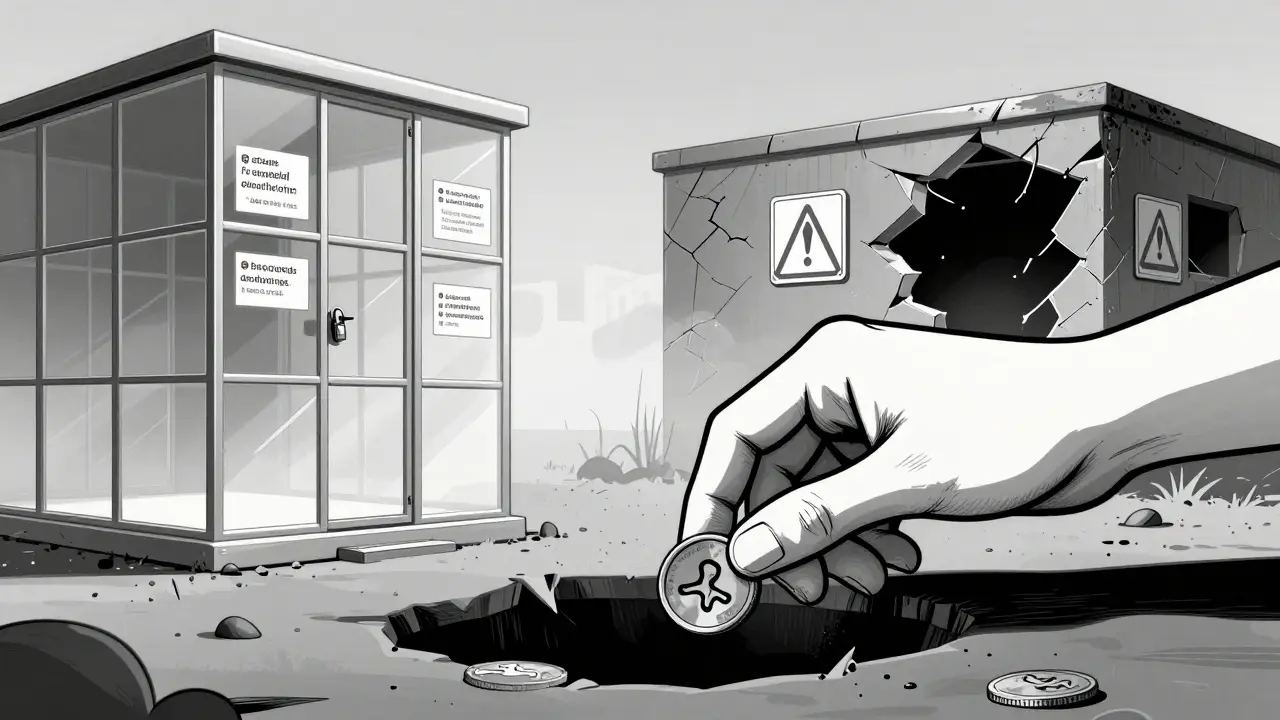
Regulatory Status and Compliance
Regulation protects you. Licensed exchanges must follow strict rules regarding anti-money laundering (AML) and know-your-customer (KYC) procedures. They are also subject to financial oversight.
Birich does not appear to hold licenses from major financial authorities like the SEC (USA), FCA (UK), or BaFin (Germany). Operating without regulation means they can change terms arbitrarily, freeze accounts without reason, or disappear entirely. While some legitimate offshore exchanges exist, the combination of no license, no transparency, and high-risk products makes Birich a poor choice for most investors.
Is Birich Right for You?
So, should you trade on Birich? For the vast majority of people, the answer is no. The risks far outweigh any potential benefits. Here is a quick checklist to guide your decision:
- Are you an experienced derivatives trader? Even then, you deserve better transparency.
- Do you prioritize safety? If yes, choose a regulated, audited platform.
- Can you afford to lose everything? If not, keep your money out of obscure exchanges.
Instead of Birich, consider sticking with well-known platforms that have survived market crashes and regulatory scrutiny. Your peace of mind is worth more than any unverified bonus offer.
Is Birich a scam?
While we cannot definitively label it a scam without legal proof, Birich exhibits many characteristics associated with fraudulent platforms: lack of transparency, missing regulatory licenses, and absence of security audits. Treat it with extreme caution.
Can I withdraw money from Birich?
There are anecdotal reports of withdrawal difficulties on similar obscure platforms. Since Birich lacks public verification of its liquidity and reserves, there is no guarantee you will be able to withdraw your funds successfully.
What are safer alternatives to Birich?
Established exchanges like Bybit, Binance, Kraken, or Coinbase offer greater transparency, regulatory compliance, and proven security records. They are much safer choices for both spot and derivatives trading.
Why is there so little information about Birich?
Legitimate businesses invest in marketing and transparency to build trust. The lack of information suggests either a very new, unproven operation or an intentional effort to hide operational details from regulators and users.
Does Birich require KYC?
Details on KYC (Know Your Customer) requirements are unclear. However, avoiding KYC is often a tactic used by illicit platforms to facilitate money laundering or evade law enforcement. Always prefer platforms that enforce standard identity verification.